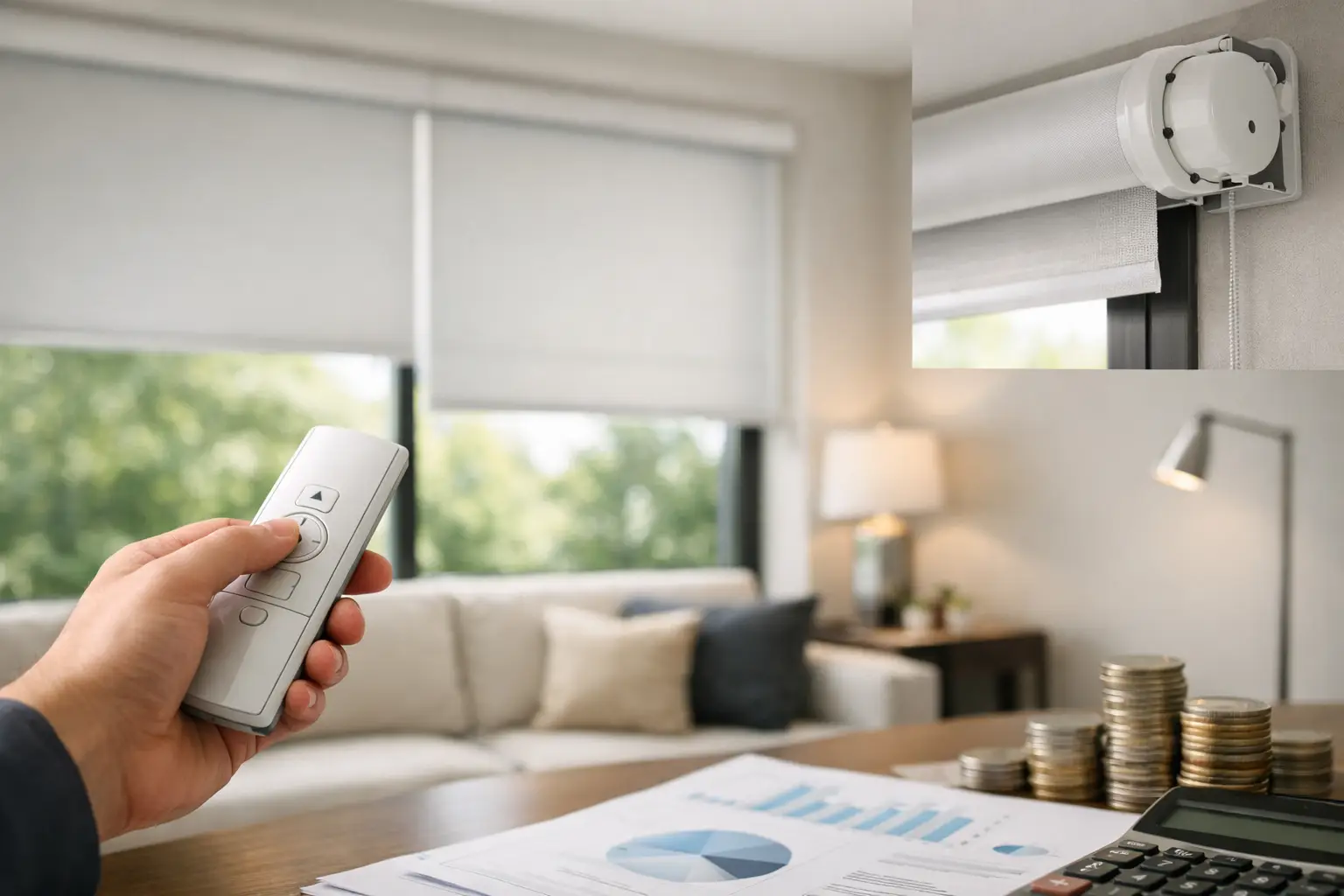
Sticker shock usually happens for one of two reasons – the quote is missing key details, or the room has more complexity than expected. When homeowners ask about motorized window treatments cost, the real answer is not a single number. It depends on window size, fabric, power method, control options, and whether the system is being added to an existing home or planned into a larger smart home project.
The good news is that pricing becomes much easier to understand once you break it into parts. If you know what drives cost and what actually matters in daily use, you can make a better decision without overbuying or cutting corners where it counts.
What motorized window treatments cost in real projects
For most residential projects, motorized shades typically start around several hundred dollars per window and can move well beyond that for larger openings, premium materials, and integrated controls. A basic single shade on a standard window may land near the lower end of the range, while oversized windows, dual-shade setups, specialty fabrics, and custom concealment can push pricing much higher.
In practical terms, many homeowners find that professionally installed motorized window treatments cost anywhere from around $800 to $2,500 or more per window, depending on the design and system choices. That range is broad because a compact bedroom shade and a wall of glass in a great room are very different jobs.
If the project includes multiple rooms, centralized control, and coordination with lighting or voice control, the total investment rises, but so does the convenience. In many cases, the value comes less from the motor itself and more from how well the system fits the home and how easy it is to live with every day.
What affects motorized window treatments cost the most
Window size and shape
Size is one of the biggest pricing factors. Larger shades require more material, stronger hardware, and sometimes more advanced motors. Extra-wide or extra-tall windows often need custom engineering, and specialty shapes can increase both product and installation cost.
A standard rectangular bedroom window is usually straightforward. A two-story foyer window or a sliding glass wall is not. The more demanding the opening, the more the system needs to be built for performance and clean operation over time.
Fabric and material selection
The fabric does more than change the look of the room. It affects privacy, glare control, insulation, and how much light enters the space. Blackout materials, designer textiles, textured weaves, and solar screen fabrics all come with different price points.
This is one place where it helps to think past appearance alone. A lower-cost fabric may work well in a guest room, while a media room, nursery, or primary bedroom may justify a higher-performance option.
Power type
Motorized shades usually run on either rechargeable battery power, replaceable batteries, or hardwired power. Battery-powered options can be more approachable for retrofit projects because they avoid opening walls in many cases. Hardwired systems are often preferred in new construction or major remodels where wiring can be planned in advance.
Neither option is always better. Battery systems can lower installation disruption, while hardwired systems can reduce ongoing maintenance. The right fit depends on the home, the number of windows, and how finished the space already is.
Controls and automation
A single remote is one pricing tier. App control, voice integration, scheduled movements, and grouped scenes add another layer. Homeowners often start by thinking about one room, then realize they want morning and evening schedules, privacy presets, or one-touch control for several areas at once.
Those features add value, but they also affect the quote. If your shades are part of a broader smart home setup, integration should be planned carefully so the result feels simple instead of patched together.
Installation conditions
Installation is not just labor. It includes planning, mounting, programming, testing, and making sure each shade operates correctly and consistently. If the windows are easy to access and the power plan is simple, installation is more predictable. If ladders, trim modifications, difficult access, or concealment details are involved, labor can increase.
This is especially true in retrofit work. Existing homes often need a thoughtful approach so the finished system looks intentional, not added on as an afterthought.
Why quotes can vary so much
Two estimates for the same room can look very different on paper. One may include only the shades and basic controls. Another may include professional programming, higher-quality fabrics, rechargeable motors, custom fascia, and integration into an existing smart home platform.
That is why the cheapest number is not always the best value. A lower quote may leave out the details that make the system dependable and easy to use. On the other hand, not every room needs a premium specification. A well-designed proposal should match how the space is used, not simply aim for the highest price point.
Budgeting by room instead of by house
For many homeowners, the easiest way to approach motorized window treatments cost is to prioritize by room. Bedrooms, living rooms, and large sun-facing spaces usually deliver the most immediate benefit. That could mean better sleep, less glare on screens, improved privacy, and more consistent comfort throughout the day.
Starting with a few high-impact rooms also gives you a better sense of how you want the system to function. Some people want simple up-and-down control. Others quickly see the benefit of schedules that adjust throughout the day without any extra effort.
If you are building a new home or doing a major renovation, planning the full project early usually creates better results. You can coordinate wiring, concealment, control strategy, and fabric selection before finishes are complete.
Are motorized shades worth the cost?
For the right windows, yes. The strongest case is not novelty. It is comfort and consistency. Tall windows, hard-to-reach areas, bedrooms, media rooms, and homes with strong sun exposure benefit the most.
There is also a practical side that gets overlooked. Shades that are difficult to operate by hand often stay in one position all day. Motorization makes it much more likely that people will actually use them, which means the room performs the way it should. You get privacy when you want it, daylight when you want it, and less strain on heating and cooling during peak sun hours.
That said, not every window needs to be motorized. In some homes, the smartest approach is a mix of motorized and manual treatments based on window height, room use, and budget.
How to keep costs under control without sacrificing performance
A smart budget starts with clear priorities. If convenience is the main goal, focus on the windows you use most often or the ones that are hardest to reach. If aesthetics matter most, spend more in the rooms where shade alignment, concealment, and fabric choice will be most visible.
It also helps to avoid overcomplicating controls. Many homeowners are happiest with intuitive scenes and schedules rather than a long list of app options they will never use. Good system design usually feels simple because the complexity has already been handled behind the scenes.
Professional guidance matters here. An experienced integrator can help you choose where to invest and where to simplify, especially in retrofit homes or projects with multiple technologies working together.
Questions to ask before you approve a quote
Before moving forward, ask what is included in the proposal. Does the price cover measuring, installation, programming, and client training? What power method is being used? Are the fabrics and control options clearly defined? Will the system work with your existing smart home setup if that matters to you?
You should also ask about long-term use. How are batteries recharged or replaced? What happens if you add more shades later? Is the product line known for reliable operation? Clear answers now can prevent frustration later.
A better way to think about the investment
Motorized window treatments are not just a line item for shades with a button. They are part of how a room feels and functions every day. The right system manages light quietly, protects privacy, reduces glare, and fits naturally into your routine.
That is why the best quote is usually the one that balances design, reliability, and ease of use – not just the one with the lowest number. If you start with the windows that matter most and choose a control strategy that fits your home, the investment tends to make sense quickly. A good system should feel calm, dependable, and easy from the first day you use it.


Comments are closed