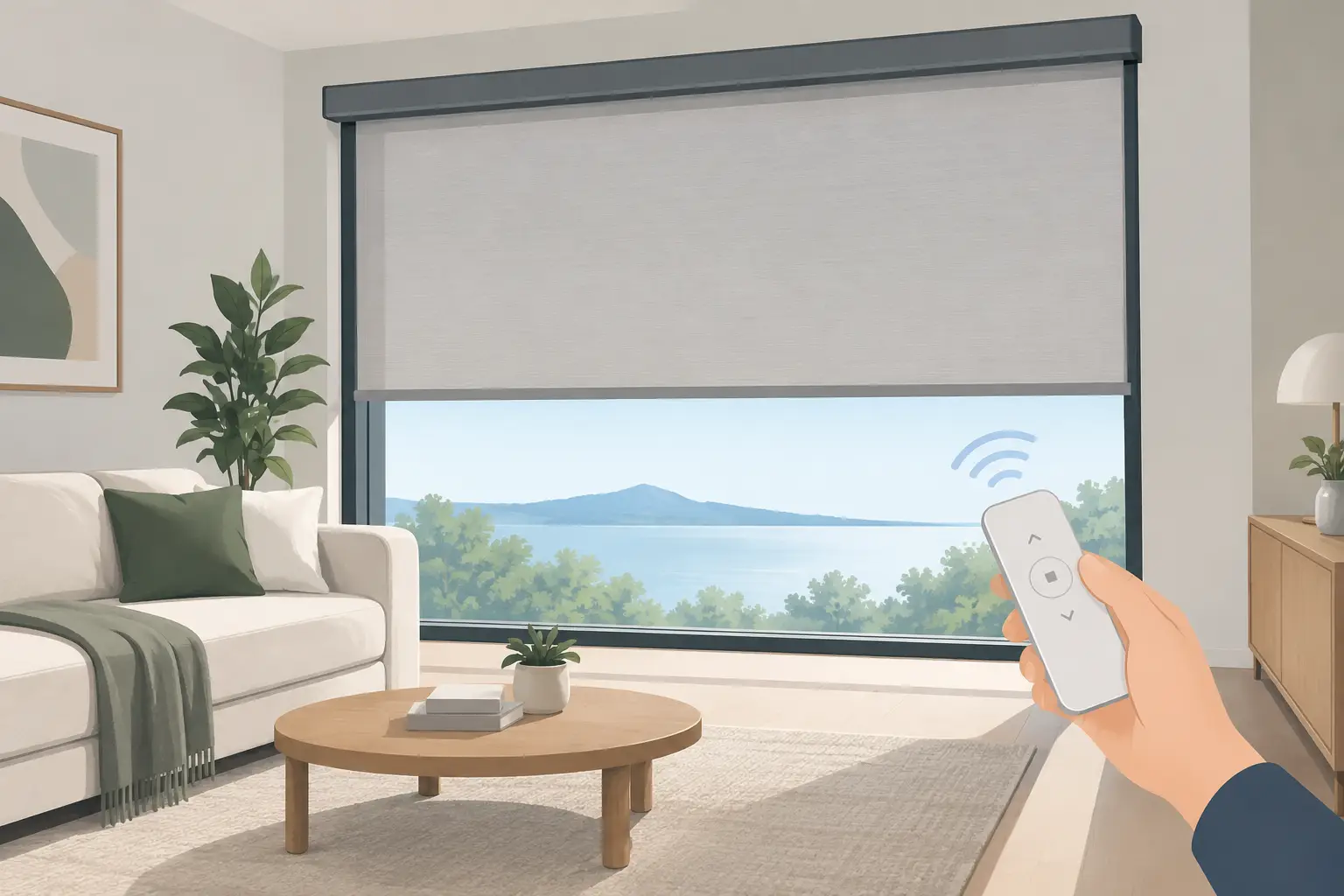
The best motorized shade installation is the one you stop thinking about. Morning light is softened before it reaches the kitchen table. Afternoon glare disappears from the television. A bedroom becomes dark when it is time to rest, without cords, clutter, or a trip from window to window. The technology should feel calm, reliable, and easy to live with.
For homeowners, builders, and property managers, that experience starts well before the shades are mounted. Motorized window treatments involve precise measurements, thoughtful fabric selection, power planning, and controls that make sense for the people using the space. A professional approach turns a collection of window coverings into a daily comfort feature.
What Motorized Shade Installation Really Includes
Motorized shades are more than standard shades with a motor added. The finished result depends on how the window is measured, where the hardware is positioned, how the shade receives power, and how it will be controlled each day.
A proper installation begins with the room itself. A west-facing family room has different needs than a primary bedroom, a home office, or a sunroom. In one space, the priority may be glare reduction and screen visibility. In another, it may be privacy, room darkening, temperature control, or preserving a view while filtering harsh light.
The shade style and fabric must support that goal. Solar fabrics can reduce glare while maintaining an outward view during the day. Light-filtering materials soften daylight and create a comfortable glow. Room-darkening options provide stronger coverage, though small light gaps at the sides are normal with many inside-mounted shades. For the darkest result, a professional may recommend a design with side channels or layered treatments.
The installation also accounts for the window frame, trim, molding, depth, and any nearby architectural details. A shade that looks clean in a product photo can look awkward if it is specified without considering the actual opening. Careful planning protects the finished appearance of the room.
Wired or Battery-Powered Shades?
One of the first decisions in motorized shade installation is power. Both wired and battery-powered options can work well, but the right choice depends on the home, the window location, and the expectations for long-term use.
Hardwired shades are often the preferred choice in new construction and major renovations. Low-voltage wiring can be planned before drywall, allowing the system to operate without regular battery changes. This is especially practical for tall windows, hard-to-reach openings, and rooms with several shades operating together. It also creates a cleaner, more permanent solution for homeowners who want dependable daily automation.
Battery-powered shades are a strong option for finished homes where opening walls is not practical. Modern battery systems can be discreet and convenient, particularly for a small number of accessible windows. The trade-off is maintenance. Battery life varies based on shade size, fabric weight, usage, and temperature, so the system should be specified with realistic expectations.
Rechargeable options can reduce the need for disposable batteries, but they still require periodic attention. A solar charging accessory may help in certain bright locations, although it is not an automatic answer for every window. The amount of direct light, the shade position, and the home’s seasonal conditions all matter.
For builders, planning power early is usually the simplest path. For homeowners upgrading an existing room, a battery solution may provide the right balance of comfort, appearance, and installation scope.
Why Measurement Matters More Than Most People Expect
A motorized shade needs more than a width and height from a tape measure. Even windows that look identical may vary slightly. Frames can be out of square, trim can project into the opening, and handles or cranks can interfere with shade movement.
Inside-mounted shades sit within the window opening and offer a tailored appearance when there is enough depth. Outside-mounted shades are installed above or beyond the opening. They can cover shallow windows, reduce side light gaps, and make a window appear larger. Neither approach is automatically better. The right choice is the one that suits the window and the desired level of light control.
Motor placement needs attention as well. Depending on the shade type, the motor may be located on the left or right side of the roller. That decision can affect wire routing, access for service, and the visual balance of the installation. These details are easy to overlook until the product arrives, which is why a site review is valuable before ordering.
For larger openings, a single shade may become too wide or heavy for the preferred fabric and system. Two or more coordinated shades can provide better performance and easier operation. The goal is not simply to cover the glass. It is to create an arrangement that looks intentional and works quietly for years.
Controls Should Match Everyday Life
The appeal of motorized shades is not the motor itself. It is the ability to control natural light without interrupting what you are doing. That can be as simple as a wall keypad, handheld remote, or app. It can also include scheduled operation based on time of day.
A useful control plan does not need to be complicated. In a bedroom, one button might lower shades for the evening while another raises them in the morning. In a great room, shades can be grouped so the entire wall of windows responds together. A homeowner may prefer simple local controls, while a builder may want shades coordinated with other home technology from the start.
Voice control can be convenient, but it should not be the only way to operate the system. Physical controls remain helpful for guests, children, and moments when a phone is not nearby. Reliable daily use comes from giving people more than one intuitive option.
Automation should also be used thoughtfully. A schedule that lowers shades during the hottest afternoon hours can help reduce glare and solar heat gain. Yet a fixed schedule may not suit every household. Families with changing work routines, pets, or a strong preference for open views may want more flexible scenes and easy manual overrides.
Installation Details That Protect the Finished Space
A polished installation is as much about what is hidden as what is visible. Mounting hardware should be level, secure, and positioned to allow smooth shade travel. Wiring, when present, should be planned to stay out of sight. Brackets and valances should complement the shade style rather than call attention to themselves.
Professional installers also test operation after the shades are in place. That includes setting upper and lower limits, confirming paired shades move evenly, checking control response, and making sure the fabric rolls cleanly. If shades are connected to a broader smart home system, the controls should be tested in the ways the homeowner will actually use them.
This final setup is where many do-it-yourself installations fall short. A shade may technically move, but a poorly placed bracket, uneven hem bar, weak wireless signal, or confusing control setup can make the experience frustrating. The value of professional work is not just mounting a product. It is delivering a finished system that feels natural from the first day.
New Construction and Retrofit Projects Need Different Plans
New construction offers the greatest flexibility. Builders can coordinate window treatment plans with electrical, trim, drywall, and design selections before the home is complete. Power locations can be placed where they will be concealed, and window details can be reviewed before they become expensive to change.
Retrofit projects require a more selective approach, but they can still produce excellent results. The best plan may combine battery-powered shades in some rooms with wired solutions where practical. It may also prioritize the spaces where light control will make the biggest difference, such as a media room, primary bedroom, or sun-facing living area.
For Northeast Ohio homes, the changing seasons make that planning especially worthwhile. Low winter sun can create glare in a room that feels comfortable in summer, while strong afternoon sunlight can make certain spaces warmer and harder to use. The right shade fabric and control plan should address the home’s real conditions, not just its floor plan.
A Better Experience Starts With a Thoughtful Plan
Before selecting colors or control features, consider how each room is used at different times of day. Notice where glare lands, when privacy matters most, and which windows are difficult to reach. Those answers will guide better decisions than choosing a shade solely from a sample book.
Tri-County Technology approaches motorized window treatments as part of a more comfortable home, not as another device to manage. With the right design, clean installation, and straightforward controls, shades can handle light in the background while the room remains exactly what it should be: a place to work, relax, gather, and rest.


No responses yet