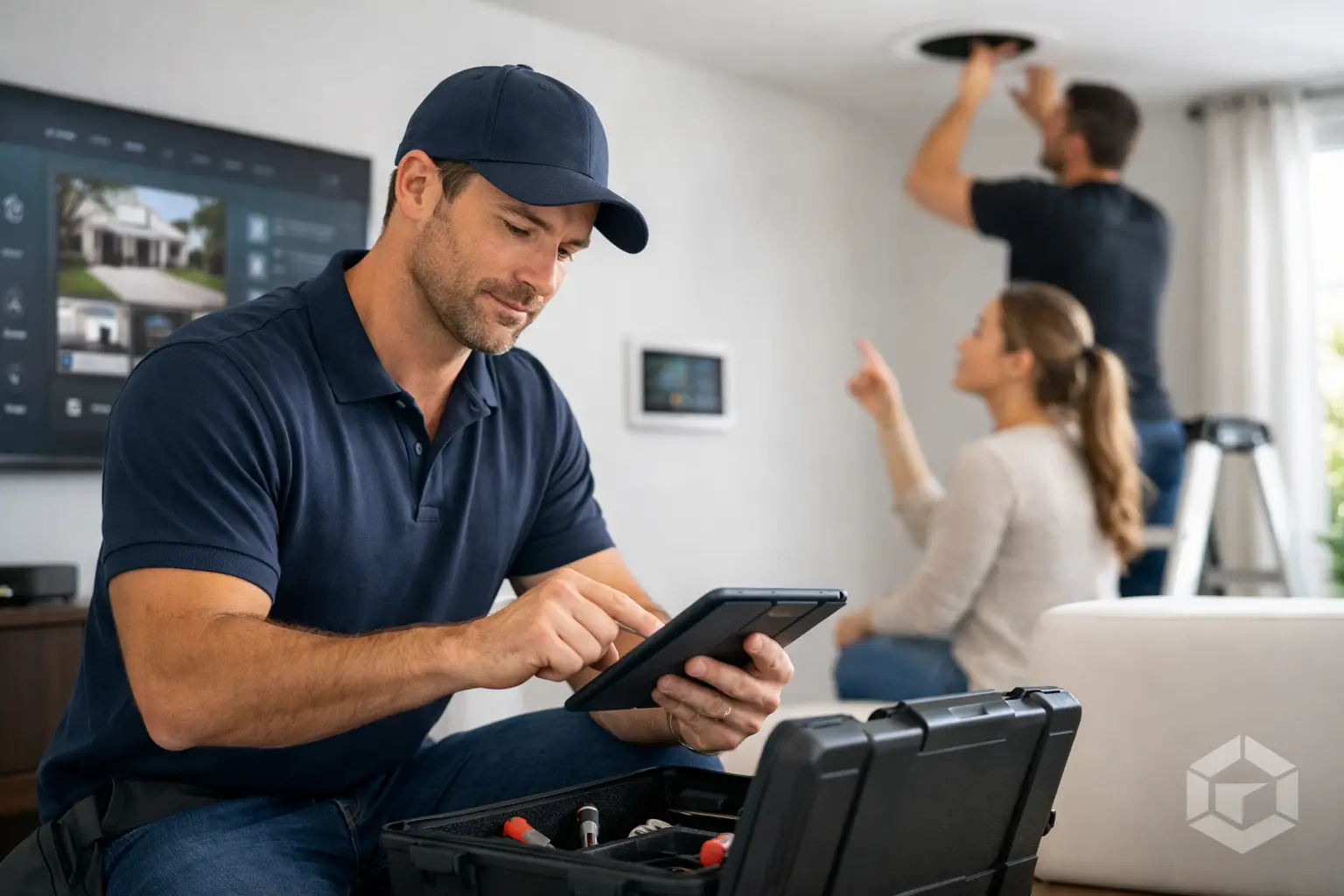
A smart doorbell that misses motion, Wi-Fi that drops in the back bedroom, a living room TV with visible wires, lighting that feels harder to use than a standard switch – most technology problems at home are not caused by bad products alone. They usually come from poor planning, rushed installation, or systems that were never designed to work together. That is where a professional home technology installer makes a real difference.
For many homeowners, the goal is not to fill the house with gadgets. It is to make daily life easier. You want music where you want it, strong internet where you need it, security that gives peace of mind, and controls that feel natural instead of confusing. A professional installer helps turn separate devices into a dependable system that supports how you live.
Why a professional home technology installer matters
Buying smart home products has never been easier. Getting them to work consistently is another story.
A professional home technology installer looks at the house as a whole. Instead of treating Wi-Fi, cameras, audio, lighting control, televisions, and motorized shades as isolated projects, they consider how each system affects the others. That broader view matters in both new construction and retrofit work.
For example, a homeowner may start with a video doorbell and a few smart speakers, then add indoor and outdoor cameras, whole-home audio, better Wi-Fi coverage, and a media room setup. If each item is installed one at a time without a plan, the result can be clutter, app overload, dead spots, and equipment that does not communicate well. A professional approach avoids that patchwork feeling.
There is also the issue of reliability. Home technology should operate quietly in the background. If you constantly have to reset devices, troubleshoot signals, or explain the system to every guest and family member, it is not doing its job. Professional installation is less about making things flashy and more about making them work the way they should, day after day.
What a professional home technology installer actually handles
The role is broader than many people expect. It is not just mounting a TV or setting up a few smart devices.
In most homes, this work starts with consultation and system design. The installer asks practical questions. Where do you spend the most time? Which rooms need stronger connectivity? Do you want music indoors, outdoors, or both? Are you building a new home, remodeling, or improving an existing setup that already has some pieces in place? These details shape the design.
From there, the work may include structured wiring, network and Wi-Fi optimization, smart security and surveillance, audio distribution, TV and projection installation, lighting control, motorized window treatments, and troubleshooting existing systems that are underperforming. In small business settings, the same thinking applies – dependable connectivity, clean installation, and controls that staff can use without frustration.
The best installers are also translators. They take technical concepts and explain them in plain language. Instead of overwhelming the customer with specs and jargon, they focus on outcomes: better coverage, simpler control, cleaner walls, more reliable performance, and fewer daily annoyances.
Good installation starts before any equipment goes in
One of the clearest signs of a professional job is what happens before the first hole is drilled.
A strong installer plans for the home itself. Building materials, room layout, equipment location, sunlight, furniture placement, and even how many people use the network at once all affect performance. A large open-concept home may have different audio and Wi-Fi needs than a traditional two-story house with dense walls. A finished home also brings different constraints than a new build where wiring paths are still open.
This planning stage is where trade-offs get sorted out. Sometimes the cleanest visual result requires more labor behind the scenes. Sometimes a lower upfront budget means phasing a project so the infrastructure is done now and the visible upgrades come later. Neither approach is wrong. What matters is that the homeowner understands the options and the system is designed with the future in mind.
That is especially true for networks. Many people think of Wi-Fi as a simple utility, but it is the backbone of modern connected homes. Cameras, smart thermostats, streaming devices, phones, tablets, and work-from-home setups all depend on stable coverage. If the network is weak, everything else feels unreliable. A professional installer treats connectivity as foundational, not secondary.
The difference between DIY convenience and professional results
DIY products have their place. For a small apartment or a single-room upgrade, self-installation may be enough. Some homeowners enjoy the process and are comfortable troubleshooting along the way.
But larger homes and mixed systems tend to expose the limits of that approach. Devices from different brands may technically work together, yet still create a frustrating experience in real life. You may need multiple apps, multiple accounts, and repeated resets. You may also end up with visible wires, poorly placed equipment, weak coverage in key areas, or components that are not sized correctly for the space.
A professional home technology installer reduces those risks. They know where equipment should go, how to hide and route wiring cleanly, how to balance performance with appearance, and how to create controls that make sense for the people actually using them.
There is also value in accountability. When a professional designs and installs the system, you know who to call if something needs adjustment. That support matters much more than many people realize, especially after a move-in, renovation, or business opening when small changes often come up.
What homeowners should look for in an installer
Not every installer brings the same level of care. Good equipment can still disappoint if the design is rushed or the finish work is sloppy.
Look for an installer who starts with questions instead of assumptions. They should be interested in your routines, not just your product preferences. A family with young children may prioritize simple control and bedtime convenience. A homeowner who entertains often may care more about outdoor audio, lighting scenes, and strong guest Wi-Fi. Someone working remotely may need a stable network and quiet office setup above all else.
It also helps to look for a company that values clean execution. That means thoughtful equipment placement, organized wiring, neat mounting, and systems that feel integrated into the home rather than added on as an afterthought. Technology should complement the space.
Support after installation is another important marker. Even well-designed systems may need updates, adjustments, or expansion over time. Maybe you start with surveillance and networking, then later add whole-home audio or motorized shades. A service-oriented installer can help you grow the system without creating confusion.
In markets like Northeast Ohio, local support can be especially helpful because homes vary widely in age, layout, and construction style. An installer who understands both retrofit challenges and new-build opportunities can offer better guidance from the start.
When professional installation is most worth it
Some projects benefit from expert help more than others.
If you are building a home, renovating, or opening walls, professional planning is especially valuable because infrastructure decisions are easier and more cost-effective at that stage. Running the right wiring early can save money and frustration later.
If you already live in the home and the current setup is inconsistent, expert troubleshooting can also be worth it. Sometimes the fix is not replacing everything. It may be reworking the network, consolidating control, relocating equipment, or correcting installation mistakes from earlier work.
Professional installation is also a smart move when aesthetics matter. A well-mounted TV, discreet speakers, organized equipment, and hidden wiring can change how a room feels. The technology becomes part of the space instead of competing with it.
And for homeowners who simply do not want another project to manage, hiring a professional is often the easiest path. The value is not just the finished system. It is the time saved, the stress avoided, and the confidence that the setup was done right.
Technology should feel easier, not heavier
The best home technology is the kind you barely have to think about. It responds when you need it, stays out of the way when you do not, and supports comfort, safety, entertainment, and connection without turning daily life into a troubleshooting session.
That is what a professional home technology installer is really there to provide. Not more complexity. More clarity. More reliability. More confidence that the systems in your home are working for you instead of asking you to work around them.
If you are planning a project, upgrading an underperforming setup, or trying to make sense of too many disconnected devices, start with the question that matters most: what should this technology make easier in everyday life?


Comments are closed