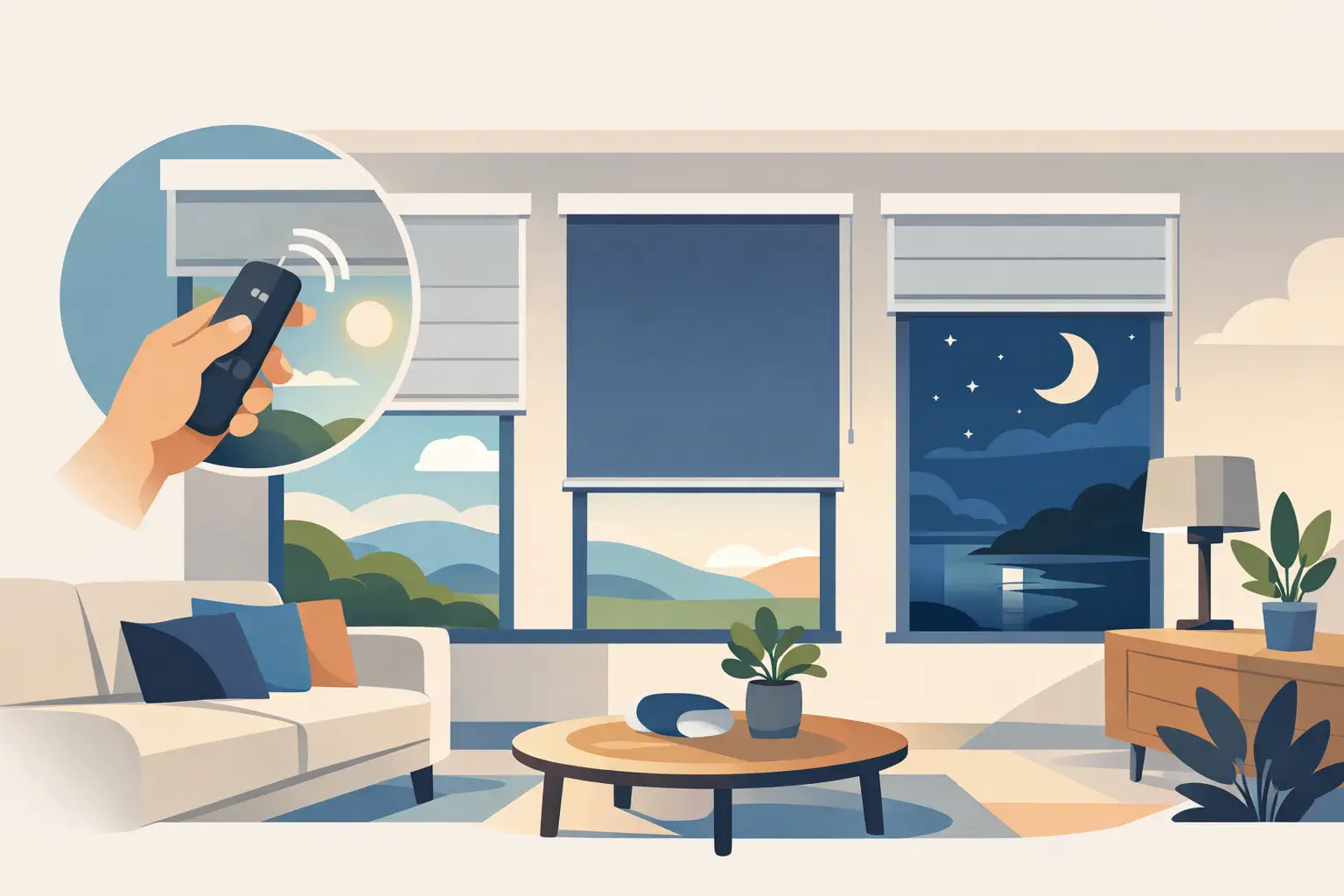
A bright east-facing bedroom can be beautiful at 7 a.m. and frustrating at 7:15. A tall wall of windows can make a living room feel open while creating afternoon glare on the TV. That is where learning how to choose motorized shades becomes less about adding a gadget and more about making each room more comfortable to live in.
The right system should feel quiet, dependable, and easy to use. It should give you the light you want, when you want it, without cords, clutter, or a collection of remotes that no one can find. The best choice depends on the room, the windows, the fabric, and how you expect the shades to fit into your daily routine.
Start With What Each Room Needs
Motorized shades are not a one-size-fits-all decision. Before comparing fabrics or control options, look at what happens in the room throughout the day. Consider sun direction, window size, furniture placement, privacy needs, and whether the room is used for sleeping, working, entertaining, or watching television.
Bedrooms usually call for stronger light control. Blackout shades or room-darkening fabrics can help create a better sleep environment, especially for nurseries, shift workers, and rooms with early morning exposure. If the room needs daylight during the day but darkness at night, a dual-shade arrangement may be the better fit. It pairs a light-filtering material with a blackout layer, allowing the room to change with the time of day.
Living rooms, kitchens, and gathering spaces often benefit from solar or light-filtering shades. These fabrics soften direct sunlight, reduce glare, and preserve a connection to the outdoors. They are especially useful on large windows where bare glass can make a room uncomfortably warm or visually harsh in the afternoon.
Bathrooms and street-facing rooms require a closer look at privacy. Some light-filtering fabrics provide privacy during the day but become more transparent at night when interior lights are on. In those locations, a more opaque fabric, a layered treatment, or a carefully planned shade style can make a meaningful difference.
How to Choose Motorized Shades by Fabric and Openness
Fabric determines much of the shade’s performance. It affects light level, visibility, heat control, privacy, and the overall look of the room. Color matters too, but it is only part of the decision.
Solar shades are often described by their openness factor, which refers to how tightly the material is woven. A lower openness factor generally blocks more light and provides greater daytime privacy. A higher openness factor allows more outward visibility and daylight but offers less glare reduction. A 1% or 3% openness fabric may work well in a media room or a sunny office, while a 5% or 10% fabric can be a good choice when the view is the priority.
Do not assume a dark fabric always blocks more light than a light one. Darker solar fabrics can improve the view outward by reducing reflected light, while lighter colors may help reflect more solar heat. The best choice depends on the room’s exposure, the desired atmosphere, and what matters more: view preservation, heat reduction, or a softer visual effect.
For a polished result, treat the shade fabric as part of the interior design rather than an afterthought. Bring in the wall color, flooring, window trim, and nearby upholstery. Samples are valuable because fabric can look very different in a showroom than it does against your own glass in full afternoon sun.
Choose a Power Option That Fits the Project
A motorized shade needs power, but the right power source depends on whether you are building, remodeling, or upgrading an existing room.
Battery-powered shades are often a practical choice for finished homes. They avoid opening walls and can be installed cleanly in many retrofit projects. Modern battery options can last a long time, though replacement or recharging still becomes part of long-term ownership. For hard-to-reach windows, discuss how battery maintenance will be handled before selecting the system.
Hardwired shades are an excellent option for new construction and major renovations. Power wiring can be planned before drywall, creating a clean installation with no need for routine battery changes. This approach is particularly useful for banks of windows, tall ceilings, and rooms where shades will be used frequently.
Rechargeable options can offer a middle ground. They reduce disposable battery replacement but require access for charging. They are best suited to windows where the charging process will be simple, not inconvenient.
A professional design consultation can prevent a common mistake: selecting shade locations after the electrical and low-voltage plans are already finalized. Builders and homeowners get the best result when window treatments are considered early, alongside lighting, Wi-Fi, and other connected home systems.
Think Beyond the Remote
A handheld remote is useful, but it should not be the only way to control your shades. The purpose of motorization is to make everyday routines easier, not to add another device to manage.
Wall keypads can provide simple control at the room entrance or bedside. App control is helpful when you want to adjust shades from elsewhere in the home or while away. Voice control can be convenient for hands-full moments, such as cooking or settling in for a movie, although it should support the system rather than serve as the only control method.
Schedules are where motorized shades often become part of the home’s rhythm. Bedroom shades can rise gradually in the morning. West-facing shades can lower before late-day sun creates glare and heat. A whole-home “away” setting can place shades in a preferred position while you are gone, and an evening setting can bring privacy to the rooms that need it.
The most comfortable automation is usually subtle. Rather than programming every possible scenario, start with two or three routines that solve a real daily frustration. You can always add more later once you know how the household uses the space.
Plan for Window Shape, Mounting, and Details
Motorized shades need more than accurate width and height measurements. Window depth, trim style, handles, mullions, and nearby doors can all affect the design. A shade that looks correct on a floor plan may need a different mounting approach once it is installed around real architectural details.
Inside mounts create a clean, tailored appearance when the window opening has enough depth and is reasonably square. Outside mounts can cover more of the window, reduce light gaps, and work well when the opening is shallow or the trim deserves to remain visible. For blackout performance, side gaps matter. A standard roller shade may darken a room substantially, but it will not create complete darkness if light can enter around the edges.
Large windows deserve special attention. One wide shade may look minimal, but it can require a larger roller tube and may have limits on available fabric sizes. Dividing a wide opening into multiple shades can improve performance and serviceability, though it introduces small gaps between panels. There is no universal right answer. The preferred balance comes down to appearance, light control, budget, and the window’s structure.
Match the System to Your Budget and Expectations
Motorized shades range from straightforward single-room solutions to fully coordinated systems throughout the home. Cost is influenced by shade size, fabric selection, power method, control style, window complexity, and installation requirements.
It is reasonable to begin with the rooms that will benefit most. Bedrooms, media spaces, large sun-exposed rooms, and difficult-to-reach windows are often the strongest first candidates. You can also plan wiring and control infrastructure for future phases, especially during a renovation or new build, even if every shade is not installed at once.
Avoid choosing solely on the lowest initial price. A shade system is used often, and the experience is shaped by motor noise, alignment, fabric quality, control reliability, and the ability to receive support later. A professionally designed installation helps ensure the shades operate consistently and look intentional from every angle.
Work With a Professional Before Ordering
Window treatments sit at the intersection of design, electrical planning, and daily comfort. That is why an in-home consultation is so valuable. It allows the installer to evaluate sunlight patterns, confirm mounting conditions, review fabrics in the actual space, and recommend controls that fit the rest of the home.
For Northeast Ohio homes, that planning can also account for changing seasonal light. The low winter sun that feels welcome in one room may create glare in another, while summer afternoon heat can make large west-facing windows harder to enjoy. Thoughtful shade design gives you control without asking you to constantly adjust every window by hand.
The right motorized shades should disappear into the routine: opening with the morning, softening the afternoon sun, and bringing privacy when the day winds down. When the system is planned around how your home is actually lived in, it becomes one of those upgrades you stop thinking about because it simply works.


Comments are closed