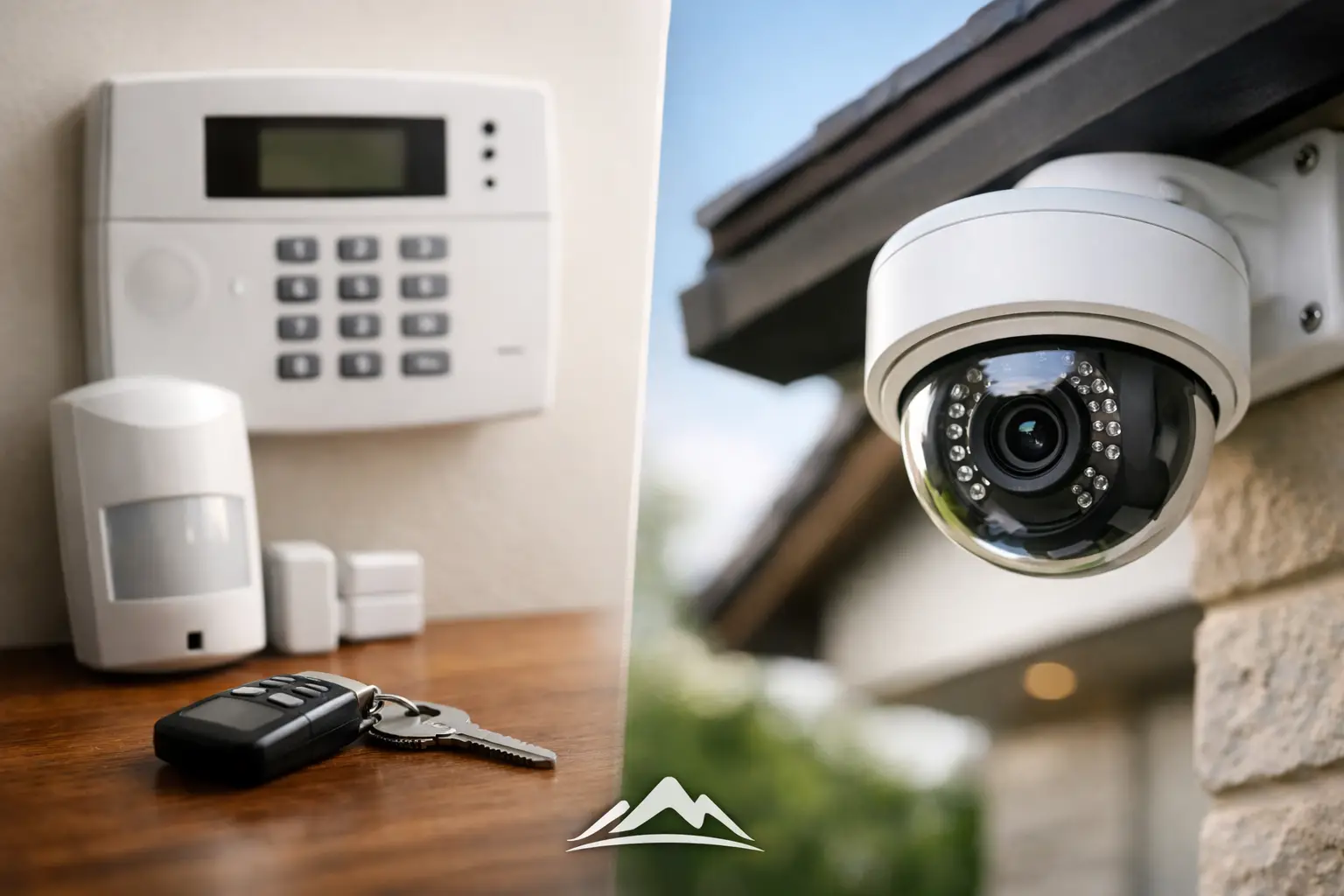
A camera can show you what happened at 2:14 a.m. An alarm system can wake you up, trigger a response, and make it much harder for a break-in to continue. That is the real starting point in the alarm system vs cameras conversation – not which one is more popular, but what you want your security system to actually do when something goes wrong.
For many homeowners and small business owners, the choice is not as simple as picking one box over another. Cameras and alarm systems solve different problems. The best fit depends on your property, your routine, your tolerance for alerts, and how much protection you want when you are asleep, away, or simply not checking your phone.
Alarm system vs cameras: the core difference
An alarm system is built to detect trouble and create an immediate response. That response might be a siren, a mobile alert, monitored dispatch, or all three. Its job is interruption. If a door opens unexpectedly, a window is breached, or motion is detected where it should not be, the system acts right away.
Cameras are built for visibility. They let you see live activity, review recorded clips, and check in remotely. Their value is awareness and evidence. You can verify whether a delivery arrived, see who came to the front door, or review activity around the side yard after the fact.
That distinction matters because visibility and interruption are not the same thing. A camera may capture a person approaching your home. It does not physically stop entry. An alarm system may not show you the person’s face, but it can trigger a loud response the moment entry occurs.
What an alarm system does best
If your top priority is preventing a situation from continuing, an alarm system usually carries more weight. It is designed to respond in real time. Door and window sensors, glass break detection, interior motion coverage, and panic options all support one goal – creating a fast, unmistakable reaction when a threat is detected.
This matters most at night and during unoccupied hours. If someone forces a rear door while you are upstairs asleep, you need more than a recorded clip waiting on your phone. You need a system that can sound locally, notify you immediately, and in many cases connect with professional monitoring.
Alarm systems also tend to provide broader security coverage for interior spaces. Cameras often focus on entry points, driveways, porches, and exteriors. An alarm system protects the openings themselves and can continue protecting the home even when no one is actively watching a live feed.
Another advantage is simplicity. A well-designed alarm setup can become part of your routine without demanding much attention. Arm it when you leave. Set schedules if appropriate. Receive alerts only when something actually needs your attention. For households that want protection without constant app-checking, that matters.
Where cameras have the advantage
Cameras are hard to beat when you want context. They answer the questions an alarm system cannot. Was it a person, an animal, or a package sliding off the porch? Did the kids get home from school? Was the service technician on site when expected? In both homes and small commercial spaces, that visual confirmation is valuable.
Cameras also improve day-to-day awareness in a way alarms do not. You can check on a driveway during bad weather, monitor a detached garage, or confirm that a back gate was left open. For business owners, cameras can help verify deliveries, foot traffic, and activity around entrances or parking areas.
There is also a deterrent factor. Visible cameras can make a property look watched and less appealing to an opportunistic intruder. That does not make them a complete security strategy on their own, but it does give them an important role at the perimeter.
For many people, remote access is the biggest benefit. If you travel often, manage a second property, or simply like the reassurance of seeing your home from your phone, cameras fill that need well.
Where each one falls short
The biggest weakness of cameras is that they often create passive awareness instead of active protection. If you get a motion alert while you are in a meeting, on a flight, or asleep, the footage may be useful later, but it may not help much in the moment. Some camera systems also produce too many notifications, which can lead people to ignore the alerts that matter.
Alarm systems have their own limits. They are excellent at signaling that something is wrong, but they do not tell the full story by themselves. If an alarm trips, you may still want to know whether it was an actual threat, a family member entering unexpectedly, or a contractor arriving early. Without cameras, you may have less context.
There is also an installation reality to consider. Both systems work better when they are designed around the property instead of installed as disconnected devices. Poor camera placement creates blind spots and false alerts. Poor alarm design leaves vulnerable paths uncovered or makes the system inconvenient to use. Security that feels frustrating often ends up getting turned off.
Should you choose alarm system vs cameras, or both?
In many cases, both is the right answer. Not because more technology is always better, but because these systems complement each other in a practical way.
An alarm system handles detection and response. Cameras provide verification and visibility. Together, they reduce uncertainty. If a sensor is triggered, cameras can help confirm what caused it. If a camera catches unusual activity around a side entrance, the alarm system is still there if someone tries to get in.
This combination is especially useful for larger homes, homes with multiple entry points, families with varied schedules, and small businesses that need after-hours visibility. It also makes sense for anyone who wants security to work quietly in the background instead of depending on constant manual checking.
A combined approach does not have to mean overbuilding. In some homes, it may be a focused alarm setup with a video doorbell and two exterior cameras. In others, it may be broader perimeter coverage, interior sensors, and integrated notifications. The right design is usually the one that fits your actual routines, not the one with the longest equipment list.
How to decide what your property really needs
Start with the moments that make you feel least protected. If the concern is someone getting in, especially at night, an alarm system should come first. If the concern is not knowing what is happening outside, cameras may be the better starting point.
Then think about the property itself. A smaller home with one main entrance may need a different setup than a corner-lot home with multiple doors, a long driveway, and limited backyard visibility. Detached garages, first-floor bedrooms, and low-light side yards can all shift the balance toward a more layered solution.
Your lifestyle matters too. If you are away often, remote viewing may be a priority. If you want protection that works without much day-to-day interaction, a professionally installed alarm system may offer more peace of mind. If you have children coming and going, cameras and alerts together can make the home feel more manageable.
Budget matters, but so does value over time. A cheaper camera package that misses key zones or floods you with false alerts may not feel like a bargain for long. The same goes for an alarm system that is difficult to arm, poorly placed, or not aligned with how you actually live. Good security should feel dependable, not high maintenance.
Why professional design changes the outcome
Security devices are easy to buy. A security system that works cleanly and consistently is another matter. Placement, coverage, network reliability, notification setup, and user experience all shape whether the system helps or frustrates you.
That is why many homeowners in Northeast Ohio end up asking for guidance after trying to piece things together themselves. They have cameras that miss the important angle, alerts that go off too often, or a collection of apps that never quite feels simple. A professionally planned system brings those pieces into a setup that is easier to trust and easier to live with.
At its best, security should not feel noisy or complicated. It should fit the home, support your routine, and give you confidence without demanding constant attention.
If you are weighing alarm system vs cameras, the better question may be this: do you want to watch for problems, respond to problems, or do both well? Once you answer that honestly, the right system becomes much easier to see.


Comments are closed