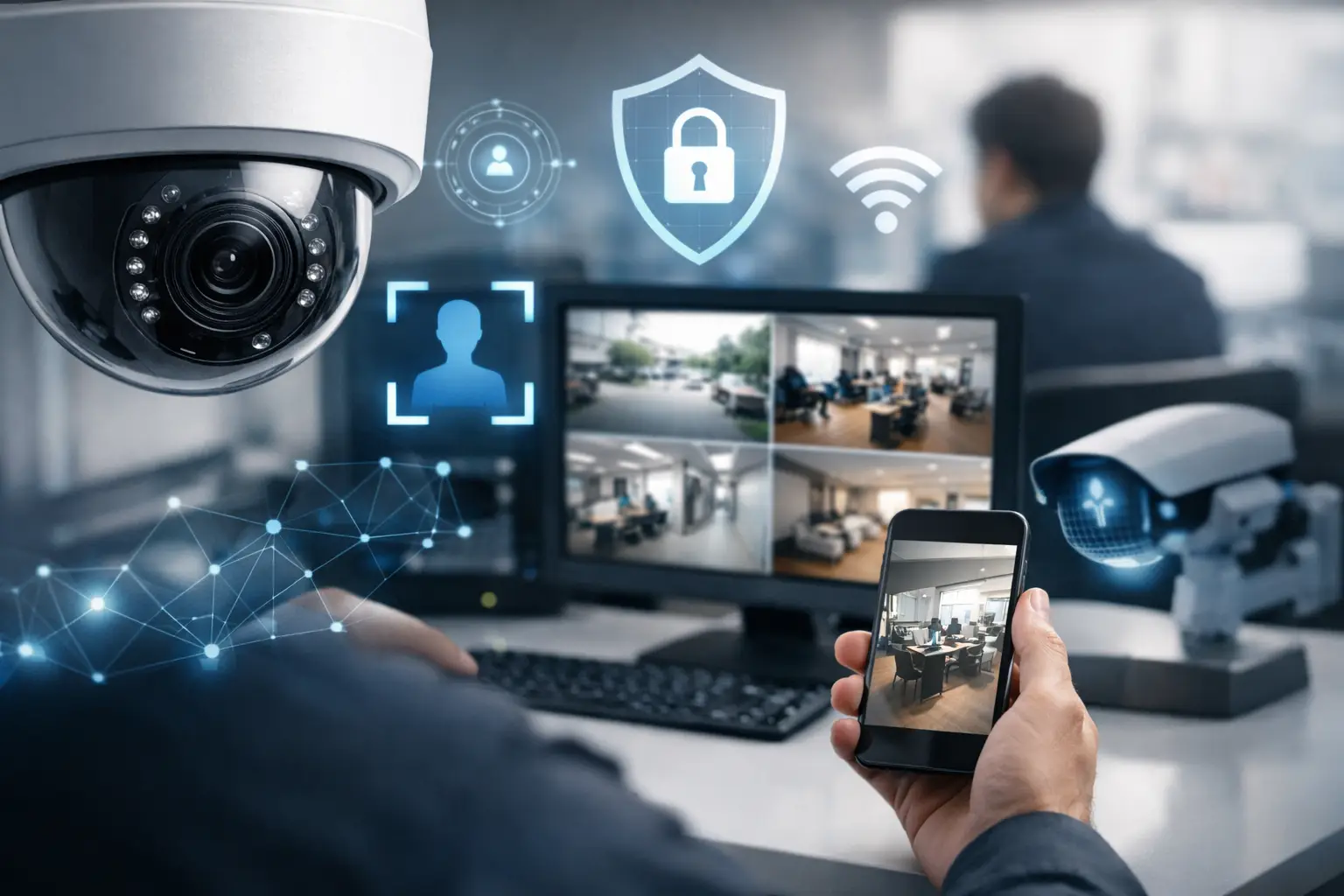
A camera that records video is one thing. A system that can tell the difference between a person, a package, a vehicle, and a false alarm is something else entirely. If you have been asking what is smart surveillance system technology, the short answer is this: it is a connected security camera system designed to do more than just capture footage.
A smart surveillance system combines cameras, software, network connectivity, mobile access, and intelligent alerts into one setup. Instead of passively recording everything and leaving you to sort through hours of video later, it helps you monitor your property in real time, review meaningful events quickly, and respond with far less guesswork. For homeowners and business owners, that usually means better awareness, fewer nuisance notifications, and a system that feels easier to live with every day.
What is smart surveillance system technology?
At its core, a smart surveillance system is a modern video security solution that uses connected devices and intelligent features to improve how monitoring works. Traditional systems were built mainly to record. Smart systems are built to record, analyze, notify, and simplify access.
That difference matters. With a traditional setup, you might have to pull footage from a recorder manually, check timestamps, and search through long video files to find one useful moment. With a smart system, the software can often flag specific activity, send an alert to your phone, and let you jump straight to the event.
Most smart surveillance systems include high-definition cameras, a local recorder or cloud storage option, motion detection, remote viewing through an app, and some level of video analytics. Many also include night vision, two-way audio, smart doorbell integration, and custom activity zones so the system watches the areas that matter most.
How a smart surveillance system works
The easiest way to understand it is to think of the system as a team rather than a single product. The cameras capture video, the network carries data, the recorder or cloud platform stores footage, and the software helps organize what is happening.
When motion occurs, the system does not just save a clip. Depending on the equipment and how it is configured, it may also analyze the motion, classify the event, and send an alert based on the rules you choose. For example, you may want a notification only when a person approaches the front door, not every time tree branches move in the wind.
That level of control is one of the biggest advantages. Smart surveillance is not only about seeing more. It is about seeing what matters without being buried in constant interruptions.
For homes, that might mean checking the driveway, front porch, backyard, or side entrance from your phone while away. For a small business, it could mean confirming an opening time, monitoring a delivery area, or reviewing activity after hours without being on site.
The features that make surveillance “smart”
Not every connected camera system is truly smart in a useful way. The term gets used broadly, so it helps to know which features actually improve day-to-day performance.
Video analytics are a major part of it. Smart systems can often detect people, vehicles, animals, or packages separately. That makes alerts more relevant and cuts down on noise. Facial recognition may also be available in some platforms, though whether that is appropriate depends on the setting, privacy expectations, and local policies.
Remote access is another key feature. A smart system should let you view live video, review recordings, and manage notifications from an app or browser. If a system is technically advanced but difficult to check when you need it, it misses the point.
Custom rules also matter. Good systems let you set schedules, define activity zones, and decide which alerts are worth sending. A camera facing the street should not create the same alert behavior as one covering a back gate.
Integration can be just as valuable as analytics. In a well-designed property, surveillance may work alongside smart locks, lighting, alarms, gates, or intercoms. If a camera detects motion after hours, exterior lights might come on automatically. If someone rings the doorbell, you may see the video feed and speak through your phone. That kind of connected experience feels less like managing gadgets and more like having a property that responds intelligently.
Smart surveillance vs. traditional security cameras
The biggest difference is not the camera itself. It is the overall experience.
Traditional camera systems are often effective at basic recording, especially in commercial settings where constant footage retention is the main goal. They can still be a solid fit in certain situations, particularly when budgets are tight or advanced app features are not necessary.
But they tend to ask more from the user. Finding footage can take longer. Alerts may be less precise. Remote access may be clunky or limited. And if the system was installed years ago, image quality and usability may fall short of what most people expect now.
Smart surveillance systems are designed to reduce friction. They make it faster to check in, easier to search for events, and more practical to use regularly. That does not mean every smart system is automatically better. A poorly installed or badly configured smart setup can still create frustration. The equipment matters, but design and installation matter just as much.
Where smart surveillance makes the most sense
For homeowners, smart surveillance is often about peace of mind and convenience. You want to know when a package arrives, when someone approaches the house, or whether the kids made it home from school. You also want that awareness without constant false alarms or a tangle of hardware that does not fit the home.
For small businesses, the priorities are often visibility, accountability, and control. Owners may want to monitor entrances, parking areas, inventory spaces, or customer-facing zones. Remote access is especially helpful when you manage a property but cannot be there all the time.
New construction is usually the easiest time to build a clean, well-planned system because wiring, camera placement, and network infrastructure can be addressed early. Retrofit projects can still work very well, but they require more care to keep the finished result polished and dependable.
What to consider before choosing a system
The right system depends on the property and on how you actually plan to use it. A large home with multiple entry points needs a different approach than a small retail space or a single front-door camera setup.
Camera placement is one of the first things to get right. A great camera in the wrong location will underperform. Viewing angles, lighting conditions, mounting height, and likely paths of travel all affect what you can actually see and identify.
Storage is another consideration. Some systems record locally to a network video recorder, some rely on cloud storage, and some use a mix of both. Local recording can provide more control and ongoing value, while cloud features may offer convenience and off-site backup. There is no one right answer for every property.
Network quality is also a major factor. Smart surveillance relies on stable connectivity, especially for remote viewing and mobile alerts. If your Wi-Fi is inconsistent or your network was never built to support connected devices properly, the surveillance experience may suffer. In many homes and businesses, the camera system works best when it is part of a broader, professionally planned low-voltage and network setup.
Privacy should not be ignored either. Smart features are helpful, but they should be deployed thoughtfully. Clear camera purposes, proper placement, and sensible access controls help protect both security and trust.
Why professional design matters
Surveillance systems often look simple online. Mount a few cameras, download an app, and you are done. In practice, the systems that work best over time are usually the ones designed around the property, the network, and the people using them.
That means choosing the right camera types, avoiding blind spots, managing wiring cleanly, tuning notifications, and making sure the app experience is straightforward. It also means thinking beyond the cameras themselves. If your recorder is hidden in a poor location, your network is underpowered, or your settings are too sensitive, even good hardware can become annoying fast.
A well-integrated smart surveillance system should feel quiet in the background. It should be there when you need it, easy to check, and dependable enough that you are not constantly troubleshooting it. That is where a professional installer can make a real difference, especially for homeowners and business owners who want confidence without complexity.
For Ohio-area properties, companies like Tri-County Technology often approach surveillance as part of the full environment, not as a standalone gadget purchase. That leads to better usability, cleaner results, and fewer surprises after installation.
A smart surveillance system is not about adding more technology for its own sake. It is about giving you clearer visibility, faster answers, and a greater sense of control without making daily life more complicated. If the system is designed well, you should not have to think about it much at all until the moment you need it most.
Comments are closed